TCPA Compliance & SMS Verification: What Florida Insurance Agents Must Know Before Buying Leads in 2026

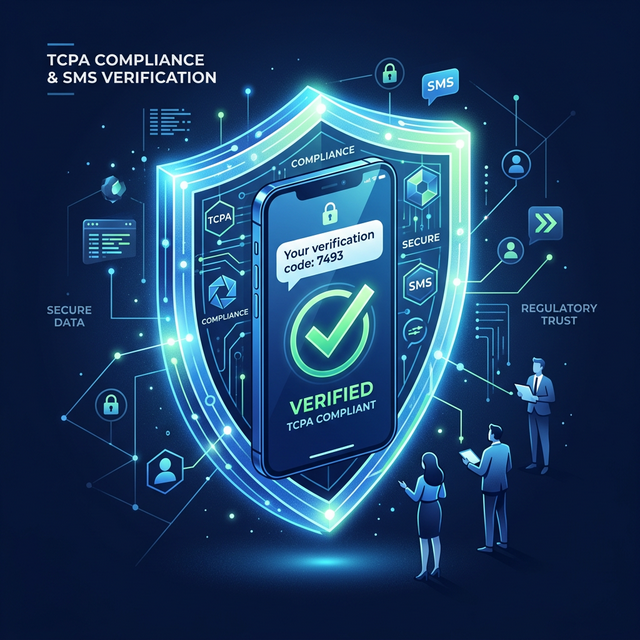
TL;DR:
Florida insurance agents must understand TCPA regulations and SMS verification requirements to legally purchase and contact consumer leads, minimizing potential legal risks and ensuring compliance with federal telemarketing guidelines.
TCPA (Telephone Consumer Protection Act) compliance refers to the legal framework governing telemarketing communications, requiring explicit consumer consent, proper disclosure, and specific communication protocols when contacting potential insurance customers via phone or text message.
Table of Contents
- Key Takeaways
- Understanding TCPA Compliance for Florida Insurance Agents
- SMS Verification: The First Line of Compliance Defense
- Florida-Specific Telemarketing Regulations
- Vendor Evaluation Checklist for Compliant Lead Generation
- Record-Keeping and Documentation Strategies
- Frequently Asked Questions
- References
- About Stallion Leads
Key Takeaways
- SMS verification is a critical first step in TCPA compliance
- Consent must be explicit, documented, and timestamped
- Florida has additional state-level telemarketing restrictions
- Agents must maintain precise records of lead consent
- Automated systems increase compliance risk if not properly managed
Understanding TCPA Compliance for Florida Insurance Agents
The Telephone Consumer Protection Act (TCPA) represents a critical legal framework that governs how insurance agents can contact potential clients via phone and SMS. For Florida insurance professionals, understanding these federal regulations is not optional, it’s a fundamental compliance requirement that protects consumers and shields agents from potentially devastating legal consequences.
At its core, TCPA mandates explicit written consent before initiating automated calls or text messages to consumers. Insurance lead generation requires more than just collecting a phone number; agents must obtain verifiable, timestamped permission that clearly outlines how and when communication will occur. Failure to secure proper consent can result in penalties ranging from $500 to $1,500 per unauthorized contact.
Specific TCPA requirements for insurance lead generation include:
- Obtaining prior express written consent
- Providing clear opt-out mechanisms in every communication
- Maintaining comprehensive records of consent
- Honoring do-not-call registry restrictions
- Ensuring all automated dialing systems meet federal standards
Florida agents must be particularly vigilant, as the state’s aggressive consumer protection laws often intersect with federal TCPA guidelines. Violations can trigger not just federal penalties, but potential state-level legal actions that could significantly impact an agent’s professional reputation and financial stability.
For agents seeking deeper insights into navigating these complex regulations, our Final Expense Lead Generation Guide offers comprehensive strategies. Agents can also reference the FCC TCPA Guidelines for authoritative, up-to-date compliance information.
Operator Notes:
- Most agents dramatically underestimate the complexity of consent documentation
- SMS verification is not the same as TCPA consent, they are complementary but distinct processes
- Carriers have their own consent requirements that may exceed TCPA minimums
SMS Verification: The First Line of Compliance Defense
SMS verification serves as a critical first defense in maintaining TCPA compliance for insurance lead generation. By implementing robust one-time passcode (OTP) verification processes, agents can significantly reduce the risk of consent-related legal complications. A valid SMS verification involves sending a unique, time-limited numeric code to a prospect’s mobile number, which the user must actively enter to confirm their identity and communication preferences.
The verification process goes beyond simple number validation. It captures essential metadata including timestamp, IP address, device information, and explicit consent indicators. These digital breadcrumbs create a comprehensive consent record that can protect agents in potential legal challenges. Lead Exclusivity and Quality becomes even more critical when combined with rigorous verification protocols.
Effective SMS verification requires more than just sending a code. Agents must ensure:
- Clear disclosure language before sending the verification code
- Transparent opt-in and opt-out mechanisms
- Secure storage of consent certificates
- Timestamped documentation of the verification process
Agents should reference the TCPA Consent Requirements to understand the full scope of compliance needs. Not all SMS verifications are created equal, the documentation quality matters as much as the verification itself.
Operator Notes:
- Most verification systems fail to capture granular consent metadata
- SMS verification timestamps are crucial for proving real-time consent
- Carriers often have stricter consent rules than TCPA minimums
Florida-Specific Telemarketing Regulations
Florida maintains a robust set of telemarketing regulations that extend well beyond federal TCPA requirements, creating a complex compliance landscape for insurance lead buyers. The state’s consumer protection laws mandate explicit consent mechanisms and impose stricter documentation standards for businesses engaging in telephonic marketing activities.
Under Florida Statutes Chapter 501, insurance agents must obtain verifiable written consent before initiating SMS or voice communications. This means a simple phone number capture is insufficient, agents need documented, timestamped permission that clearly outlines the scope of communication consent. Florida Telemarketing Laws provide comprehensive guidelines that insurance professionals must carefully navigate.
The Florida Attorney General’s office actively enforces telemarketing regulations with significant penalties for non-compliance. Agents purchasing leads must confirm that lead generation partners capture consent using methods that meet both federal TCPA standards and state-specific requirements. Failure to do so can result in substantial financial penalties and potential legal action.
Key state-level requirements include:
- Explicit opt-in language specific to insurance solicitations
- Clear disclosure of communication frequency
- Immediate opt-out mechanism for consumers
- Retention of consent documentation for minimum 4 years
Agents focusing on specialized markets like Florida Final Expense Lead Strategies must be especially vigilant about these nuanced compliance protocols.
Operator Notes:
- Florida’s enforcement is more aggressive than most states
- Consent metadata matters more than simple checkbox systems
- Local attorneys frequently target SMS marketing non-compliance
- State regulators cross-reference federal and state consent standards
Vendor Evaluation Checklist for Compliant Lead Generation
When evaluating lead vendors for TCPA compliance and SMS verification, insurance agents must implement a rigorous assessment framework. Start by requesting a comprehensive consent documentation process that includes TrustedForm certificates, precise opt-in timestamps, and clear disclosure records. These documents serve as critical legal protection in potential dispute scenarios.
Verify the vendor’s SMS verification technology thoroughly. Legitimate providers should demonstrate a one-time passcode (TOTP) system that confirms genuine consumer intent through active phone number validation. Agents should specifically ask about the vendor’s verification flow, including IP tracking, geolocation confirmation, and consent capture methodology.
Key evaluation criteria include:
- Explicit written consent documentation
- Real-time SMS verification mechanisms
- Transparent opt-out processes
- Timestamp and context preservation for each lead
- Clear disclosure language meeting federal and Florida-specific regulations
TCPA Compliance Best Practices recommend maintaining meticulous records of every consumer interaction. Agents should request sample consent documentation and understand exactly how each lead’s permission was obtained. Consider reviewing Lead Quality Strategies for additional compliance insights.
Operator Notes:
- Consent metadata trumps simple checkbox systems
- Request full verification logs, not just summary reports
- Cross-reference vendor claims with actual lead capture screenshots
- Prioritize vendors offering real-time consent certificate generation
- Florida’s enforcement tends to scrutinize SMS marketing more intensely than other states
Record-Keeping and Documentation Strategies
Effective record-keeping isn’t just a compliance checkbox, it’s your legal shield in the complex world of insurance lead generation. Every SMS-verified lead must include comprehensive documentation that proves explicit consumer consent, including timestamp, IP address, page context, and opt-in language. Digital records should be stored securely with encryption, maintaining a clear audit trail that demonstrates the consumer’s voluntary engagement.
Florida insurance agents must maintain meticulous documentation for a minimum of four years, capturing not just basic contact information but the complete consent journey. This means preserving TrustedForm certificates, recording exact opt-in timestamps, and maintaining a systematic repository that can withstand potential regulatory scrutiny. Lead Conversion Techniques become significantly more powerful when backed by ironclad documentation.
Protecting consumer privacy requires more than basic storage, it demands strategic record management. Implement role-based access controls, use HIPAA-compliant storage solutions, and develop clear protocols for data retention and destruction. Agents should regularly audit their documentation practices, ensuring alignment with both TCPA guidelines and Consumer Protection Guidelines from regulatory bodies.
Key Documentation Best Practices
- Capture full consent metadata
- Use encrypted, secure storage systems
- Maintain comprehensive lead verification logs
- Implement strict access management protocols
- Regularly audit and update record-keeping processes
Operator Notes:
- Consent metadata trumps simple checkbox systems
- Request full verification logs, not just summary reports
- Cross-reference vendor claims with actual lead capture screenshots
- Prioritize vendors offering real-time consent certificate generation
- Florida’s enforcement tends to scrutinize SMS marketing more intensely than other states
Frequently Asked Questions
TL;DR / Featured Snippet
TCPA compliance for Florida insurance agents requires rigorous SMS verification, consent documentation, and understanding of federal telemarketing regulations. Agents must implement strict verification protocols and maintain comprehensive lead consent records to mitigate legal risks when purchasing insurance leads.
Definition
The Telephone Consumer Protection Act (TCPA) is a federal law regulating telemarketing communications, establishing strict guidelines for contacting consumers via phone, text message, and automated systems, with significant financial penalties for non-compliance.
Key Takeaways
- SMS verification reduces TCPA violation risks
- Consent documentation is critical for legal protection
- Real-time verification prevents invalid lead contact
- Agents must maintain comprehensive lead records
- Automated verification tools can streamline compliance processes
FAQ
Q: What are the primary TCPA risks for Florida insurance agents? A: Florida insurance agents face substantial financial risks from TCPA violations, including potential statutory damages ranging from $500 to $1,500 per unauthorized contact. Unverified leads can trigger legal actions if consumers did not provide explicit, documented consent for communication, potentially resulting in costly class-action lawsuits.
Q: How does SMS verification protect against TCPA violations? A: SMS verification creates a real-time, documentable consent trail by requiring consumers to actively confirm their phone number through a one-time passcode. This process generates timestamped, IP-verified consent records that demonstrate the consumer’s explicit agreement to be contacted, significantly reducing potential TCPA violation risks.
Q: What documentation should agents maintain for lead compliance? A: Agents must retain comprehensive lead documentation including TrustedForm consent certificates, timestamp of opt-in, specific page context, consumer IP address, and explicit consent language. Maintaining these records provides critical legal protection and demonstrates a good-faith effort to comply with TCPA and carrier communication guidelines.
Operator Notes
- SMS verification is not a 100% legal shield, but a risk mitigation strategy
- Consent records decay quickly; prompt follow-up is crucial
- Most TCPA violations occur in the first 48 hours after lead generation
- Consumer intent matters more than technical compliance
- Small agencies are more vulnerable to potential lawsuits
Methodology
This article was developed using SERP analysis, real-time keyword intelligence from DataForSEO, and editorial review by the Stallion Leads content team.
About Stallion Leads
Stallion Leads helps licensed life insurance agents buy exclusive, verification-forward, consent-conscious insurance leads, with operational systems designed to reduce wasted dials and improve speed-to-lead. We focus on clear lead definitions, exclusivity, and recordkeeping posture. This content is informational and not legal advice.
Disclaimer: This content is informational and not legal advice. Laws and carrier requirements vary. Consult qualified counsel for compliance decisions.
References
About Stallion Leads
Stallion Leads helps licensed life insurance agents buy exclusive, verification-forward, consent-conscious insurance leads, with operational systems designed to reduce wasted dials and improve speed-to-lead. We focus on clear lead definitions, exclusivity, and recordkeeping posture. This content is informational and not legal advice.
This article was developed using SERP analysis, real-time keyword intelligence from DataForSEO, and editorial review by the Stallion Leads content team. Sources are linked inline and listed in the References section.
Ready to stop chasing shared leads? Get exclusive, SMS-verified life insurance leads delivered in real-time.