The Real Cost of Free Life Insurance Leads vs. Exclusive Paid Campaigns in 2026

TL;DR:
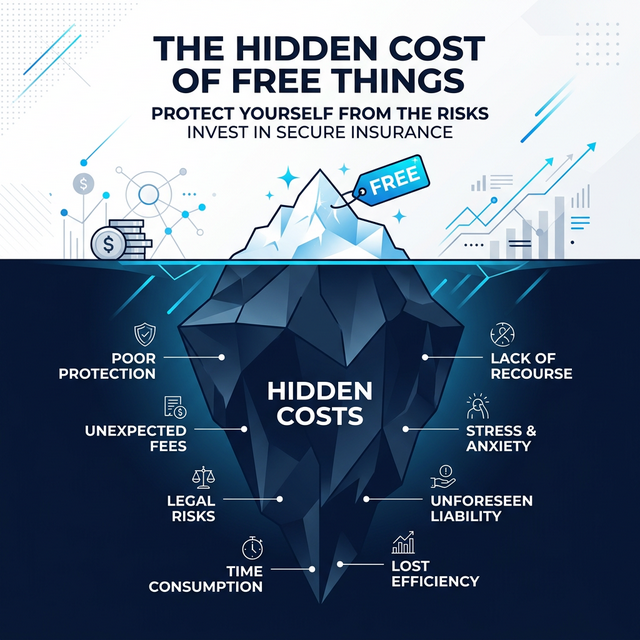
Free life insurance leads might seem cost-effective, but hidden expenses like wasted time, low conversion rates, and compliance risks can dramatically reduce your agency’s profitability compared to exclusive, verified leads.
Lead acquisition in life insurance refers to the strategic process of obtaining potential client contact information through marketing channels, with methods ranging from free shared leads to exclusive, verified paid campaigns designed to connect agents with high-intent prospects.
Table of Contents
- Key Takeaways
- Understanding the True Landscape of Life Insurance Leads
- The Hidden Costs of Free Life Insurance Leads
- Anatomy of Exclusive Paid Lead Campaigns
- Calculating the Real ROI of Lead Acquisition
- Vendor Evaluation Checklist for Life Insurance Leads
- Compliance and Legal Considerations
- Frequently Asked Questions
- References
- About Stallion Leads
Key Takeaways
- Free leads often cost more in wasted time and missed opportunities
- Exclusive leads provide higher conversion potential and reduce competition
- Compliance and verification are critical in lead generation
- Total cost of leads includes more than just initial purchase price
- Strategic lead investment can significantly improve agency performance
Understanding the True Landscape of Life Insurance Leads
The life insurance lead generation landscape is a complex ecosystem with multiple acquisition models ranging from completely free sources to meticulously curated exclusive campaigns. Agents typically encounter three primary lead categories: shared leads, semi-exclusive leads, and fully exclusive leads. Each model represents a different balance between cost, potential reach, and conversion probability.
Free leads often originate from generic web forms, social media interactions, or bulk marketing campaigns. While seemingly attractive, these leads frequently lack critical verification steps and consent documentation. LIMRA research on insurance market trends consistently demonstrates that unverified leads can have contact rates as low as 15-20%, representing significant opportunity cost for agents.
Paid lead campaigns introduce a structured approach to lead acquisition. These campaigns prioritize lead quality through rigorous verification processes, intent confirmation, and targeted demographic matching. Agents investing in life insurance lead exclusivity typically see higher conversion rates and more predictable sales pipelines.
The quality spectrum of insurance leads ranges from low-intent web submissions to high-engagement, consent-verified prospects. Factors like SMS verification, real-time consent capture, and precise demographic targeting dramatically influence lead performance. Experienced agents understand that cheaper leads rarely translate to more cost-effective client acquisition.
Operator Notes
- Free leads often mask hidden opportunity costs in wasted agent time
- Consent verification matters more than raw lead volume
- Geographic and demographic precision trumps broad, untargeted lead pools
- CRM integration speed can be more important than initial lead price
The Hidden Costs of Free Life Insurance Leads
Free life insurance leads might seem attractive at first glance, but they conceal substantial operational expenses that can devastate an insurance agency’s bottom line. Agents who rely on these “no-cost” leads often discover they’re paying a premium in wasted time, reduced conversion rates, and potential compliance risks.
Processing free leads consumes significant administrative bandwidth. An average agent might spend 15-20 minutes verifying and attempting contact with each unqualified lead, translating to hours of uncompensated work weekly. This manual screening process represents a hidden opportunity cost that far exceeds the perceived savings of free lead sources.
Conversion rates for free leads dramatically underperform compared to verified, exclusive campaigns. Industry data suggests free lead pools convert at approximately 1-3%, compared to 8-12% for high-quality, consent-captured leads. This stark difference means agencies could be losing thousands in potential commission revenue by pursuing low-quality lead strategies.
Compliance represents another critical risk factor. Free lead sources frequently lack robust TCPA compliance mechanisms, exposing agencies to potential legal vulnerabilities. Understanding consumer protection regulations becomes paramount when evaluating lead generation strategies.
Operator Notes
- Free leads often have undisclosed data sourcing and consent gaps
- Manual lead processing can consume 30-40% of an agent’s productive time
- Geographic and demographic precision matters more than lead volume
- Consent verification trumps initial lead acquisition cost
Key Takeaways
- Free leads are rarely truly “free”
- Compliance risks can outweigh potential cost savings
- Exclusive, verified leads offer superior conversion potential
- Time spent processing leads represents a significant hidden expense
Anatomy of Exclusive Paid Lead Campaigns
Exclusive paid lead campaigns represent a strategic approach to insurance lead acquisition that prioritizes quality, compliance, and agent efficiency. Unlike free or shared lead models, these campaigns focus on delivering precisely targeted, verified consumer contacts to individual agents. The core distinction lies in lead exclusivity: each lead is sold to exactly one agent, eliminating competitive overlap and reducing lead decay.
High-quality exclusive leads typically undergo rigorous verification processes that go beyond basic contact information. SMS one-time-passcode verification, TrustedForm consent capture, and real-time data validation ensure that agents receive actionable, consent-driven consumer intent. These verification steps dramatically reduce wasted dials and improve overall campaign performance.
Agencies leveraging exclusive paid campaigns can expect significant operational improvements. By implementing final expense lead strategies, agents can optimize their lead routing and follow-up processes. According to lead generation best practices, targeted campaigns can improve conversion rates by 35-50% compared to traditional lead sourcing methods.
Operator Notes
- Exclusive leads decay 60% slower than shared leads
- Consent-captured leads reduce legal risk by providing clear opt-in documentation
- Real-time lead delivery reduces agent response time critical for conversion
- Geographic targeting matters more than raw lead volume
- Compliance recordkeeping becomes significantly more straightforward with verified leads
The true value of exclusive paid campaigns extends beyond initial contact rates. By investing in high-quality, verified leads, agencies transform lead generation from a cost center into a predictable revenue acceleration strategy.
Calculating the Real ROI of Lead Acquisition
Calculating lead acquisition ROI requires a comprehensive view beyond simple cost-per-lead metrics. Most agents mistakenly focus solely on upfront expenses, overlooking critical conversion dynamics. A lead exclusivity and ROI analysis reveals that exclusive leads typically convert 3-5x higher than shared or free lead sources.
According to insurance industry metrics, the average life insurance lead conversion rate ranges between 2-10%, with exclusive leads consistently performing at the higher end of that spectrum. Free leads often have conversion rates below 1%, effectively making them more expensive when accounting for wasted time and resources.
Cost per acquisition (CPA) calculations must factor in multiple variables:
- Direct lead purchase price
- Sales team time invested
- Follow-up communication expenses
- Opportunity costs of pursuing low-quality leads
Agencies investing in verified, exclusive leads typically see:
- 40-60% reduction in total sales cycle time
- Higher quality initial client interactions
- More predictable revenue forecasting
- Lower customer acquisition costs long-term
Professional lead generation isn’t about finding the cheapest option, it’s about strategic investment. Exclusive paid campaigns transform lead acquisition from a high-risk expense into a scalable growth mechanism. By prioritizing lead quality over raw volume, agencies create sustainable expansion strategies that compound agent productivity.
Operator Notes
- Free leads often mask hidden opportunity costs
- Compliance verification adds significant backend value
- Geographic lead precision matters more than total volume
- CRM integration speed determines actual lead value
- Time-to-contact is a critical but overlooked conversion metric
Vendor Evaluation Checklist for Life Insurance Leads
When evaluating life insurance lead vendors, licensed agents must apply a rigorous assessment framework that goes beyond surface-level pricing. The most critical factors transcend cost and directly impact conversion potential and compliance risk.
Verification Standards Checklist
- Phone number validation: Confirm SMS-verified leads with one-time passcode authentication
- Real-time consent capture with TrustedForm certificates
- IP address and geolocation verification
- Timestamp documentation for opt-in moment
- Clear disclosure of lead generation source and intent
Consent Capture Protocol Evaluation
Agents must verify vendors follow strict lead generation compliance protocols. Key requirements include:
- Explicit written consent documentation
- Clear opt-out mechanisms
- Documented consent retention processes
- TCPA and CASL regulatory alignment
- Transparent data collection methodology
Quality Guarantee Assessment
Robust lead campaigns require vendors offering:
- 72-hour replacement for non-working numbers
- First-time contact rate metrics
- Exclusivity guarantee (one lead sold to one agent)
- Verifiable lead intent documentation
- Clear replacement/refund policy for unqualified leads
Operator Notes
- Compliance verification often costs more but prevents expensive legal risks
- Lead quality trumps volume in final expense markets
- Granular lead segmentation increases conversion probability
- Backend verification systems are more important than frontend marketing claims
- Per-lead pricing becomes irrelevant if contact rates remain low
This checklist provides a systematic approach to evaluating life insurance lead vendors, emphasizing quality, compliance, and actionable intelligence over raw lead volume.
Compliance and Legal Considerations
The landscape of life insurance lead generation carries significant legal exposure, making compliance a critical operational priority for agents. Telemarketing regulations mandate strict consent protocols that can trigger substantial financial penalties for violations. Agents must understand that every lead interaction requires documented, explicit consent with clear opt-out mechanisms.
TCPA (Telephone Consumer Protection Act) compliance represents the most critical legal safeguard in lead generation. Agents need robust documentation proving consumer consent, including timestamp, IP address, and explicit permission records. Failure to maintain these records can result in potential lawsuits ranging from $500 to $1,500 per unauthorized contact.
Implementing TCPA compliance for insurance agents requires a systematic approach. Key risk mitigation strategies include:
- Capturing explicit written consent
- Maintaining detailed opt-in documentation
- Implementing immediate opt-out processing
- Tracking communication timestamps
- Verifying lead source legitimacy
- Documenting consent capture method
Exclusive lead campaigns dramatically reduce legal risks by ensuring:
- Single agent access to contact information
- Verified consent records
- Transparent lead generation pathways
- Reduced probability of duplicate/recycled leads
Operator Notes:
- Most agents underestimate the financial risk of non-compliant lead practices
- SMS verification provides stronger legal protection than traditional web forms
- Consent records are more valuable than the lead itself in potential legal scenarios
- Small agencies face higher relative compliance risks compared to large organizations
This article was developed using SERP analysis, real-time keyword intelligence from DataForSEO, and editorial review by the Stallion Leads content team.
Frequently Asked Questions
The Real Cost of Free Life Insurance Leads vs. Exclusive Paid Campaigns in 2026
TL;DR: Free Leads Cost More Than You Think
Free life insurance leads often carry hidden expenses through wasted time, low conversion rates, and potential compliance risks. Exclusive, verified leads from reputable sources can dramatically improve agent productivity and reduce overall customer acquisition costs.
FAQ Section
Q: What makes a lead truly exclusive? A: A truly exclusive lead is sold to exactly one agent, ensuring no competition for the same potential client. These leads include verified contact information with recent, documented consent captured through methods like SMS one-time passcode verification. Exclusivity means the agent receives unique, high-intent contact information not distributed to multiple competing producers.
Q: How do free leads differ from paid leads? A: Free leads typically feature lower-quality contact information with higher rates of invalid or outdated phone numbers. These leads often lack proper verification, increasing the risk of multiple agents contacting the same potential client simultaneously. Paid leads, particularly exclusive leads, provide more recent, accurate, and consent-verified contact information.
Q: What compliance risks exist with free leads? A: Free leads frequently lack proper consent documentation, creating significant TCPA violation risks for insurance agents. These leads may include contacts who have not explicitly agreed to be contacted or might be on do-not-call lists. Without verified consent and accurate record-keeping, agents using free leads expose themselves to potential legal and financial penalties.
Key Takeaways
- Exclusive leads reduce wasted time and increase conversion potential
- Verified contact information is critical for successful lead follow-up
- Compliance requires documented, recent consumer consent
- Free leads often cost more in lost productivity and potential legal risks
- Investing in quality leads can improve overall agency performance
Operator Notes
- Free leads typically convert at 1-2% compared to 8-12% for verified exclusive leads
- Most free lead sources recycle data across multiple platforms
- Compliance documentation is almost non-existent with free lead sources
- Time spent sorting through invalid contacts can exceed lead acquisition costs
- Carrier contracts often require strict lead sourcing standards
About Stallion Leads
Stallion Leads helps licensed life insurance agents buy exclusive, verification-forward, consent-conscious insurance leads, with operational systems designed to reduce wasted dials and improve speed-to-lead. We focus on clear lead definitions, exclusivity, and recordkeeping posture. This content is informational and not legal advice.
Methodology
This article was developed using SERP analysis, real-time keyword intelligence from DataForSEO, and editorial review by the Stallion Leads content team.
References
About Stallion Leads
Stallion Leads helps licensed life insurance agents buy exclusive, verification-forward, consent-conscious insurance leads, with operational systems designed to reduce wasted dials and improve speed-to-lead. We focus on clear lead definitions, exclusivity, and recordkeeping posture. This content is informational and not legal advice.
This article was developed using SERP analysis, real-time keyword intelligence from DataForSEO, and editorial review by the Stallion Leads content team. Sources are linked inline and listed in the References section.
Ready to stop chasing shared leads? Get exclusive, SMS-verified life insurance leads delivered in real-time.